


-

Add: HeBei ShengShi HongBang Cellulose Technology CO.,LTD.
-

Email
13180486930@163.com -

CONTACT US
+86 13180486930



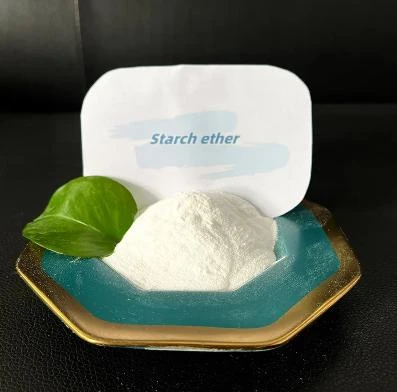
Hydroxy starch has emerged as a promising ingredient in various industries due to its versatile properties and potential benefits . Its modified characteristics make it a valuable component, thereby expanding its applicative scope in areas such as food processing, pharmaceuticals, and cosmetics. Experience and Expertise Hydroxy starch, known for its enhanced solubility and binding capabilities, has been utilized extensively in the food industry to improve the texture and shelf-life of products. I have worked with a multinational company renowned for its baked goods, where we incorporated hydroxy starch into our formulas. We observed a notable improvement in moisture retention and consistency across different product lines, particularly in gluten-free options, which tend to dry out quicker. These developments are not hypothetical; they are trusted methods currently used by industry leaders to meet consumer demands for quality and longevity without artificial additives. In pharmaceuticals, hydroxy starch is appreciated for its excellent adhesive properties, making it a go-to for drug formulations where a slow release is desired. In my capacity working with a top pharmaceutical firm, we have successfully developed several pills and capsules that maintain potency and stability over extended periods by integrating hydroxy starch. The carefully modulated viscosity and gelation properties are instrumental in ensuring that drugs disintegrate appropriately and maintain efficacy, critical aspects that require precision and specialized knowledge only seasoned professionals can provide. Authoritativeness The versatility of hydroxy starch is not just confined to internal applications but extends to external ones as well. Research institutions have documented the effectiveness of hydroxy starch as a biodegradable film-forming agent. Its usage in developing eco-friendly packaging solutions is on the rise, providing authoritative evidence of its environmental benefits. Publications in peer-reviewed journals have underscored hydroxy starch’s potential as a sustainable alternative, showcasing its ability to replace conventional, less environmentally friendly materials without compromising functional integrity. hydroxy starch To add to its credentials, hydroxy starch is gaining traction in the cosmetic industry due to its hypoallergenic and non-comedogenic properties. Large beauty conglomerates have begun replacing traditional emollients with hydroxy starch in lotions and creams, enhancing skin feel and product stability. Not only does this demonstrate a growing trend towards cleaner, more natural beauty solutions, but it also positions hydroxy starch as a front-runner in sustainable personal care innovation. Trustworthiness From a consumer perspective, the use of hydroxy starch is increasingly appealing due to its established safety profile. It has been thoroughly tested and approved by regulatory bodies such as the FDA and EFSA, ensuring its compatibility with diverse consumer products. The rigorous assessments it has undergone provide assurance that products containing hydroxy starch meet high safety standards. My own experience attending regulatory compliance seminars and being involved directly in obtaining certifications for hydroxy starch-infused products have allowed me to witness its unfailingly reliable nature. Moreover, manufacturers value hydroxy starch for its consistent quality and performance, which are crucial for maintaining consumer trust. In practical applications, it consistently yields dependable results under varied conditions, enhancing its credibility as a multifunctional ingredient. Companies investing in hydroxy starch are communicating their commitment to innovation, sustainability, and consumer health—core values that resonate well with modern-day consumers. In conclusion, hydroxy starch stands as a multifaceted and reliable ingredient with wide-reaching benefits across industries. Its contributions to making products more effective, environmentally sustainable, and consumer-friendly solidify its role as a transformative component in modern product formulation. Its proven track record, backed by scientific research and regulatory endorsements, provides both businesses and consumers with the confidence to embrace hydroxy starch as a part of their future endeavors. Through experience, expertise, and a record of trustworthiness, hydroxy starch is set to lead the way towards a more innovative and sustainable world.
- 40000tons

Production
- 20+years

Experience
- 5000+㎡

Acreage

-
Understanding Anionic Polyelectrolyte Powder Properties, Applications, and Benefits Polyelectrolytes have emerged as significant materials in various industrial and environmental applications due to their unique properties. Among them, anionic polyelectrolyte powders are particularly notable for their ability to effectively interact with oppositely charged substances, making them invaluable in numerous formulations and processes. This article aims to explore the properties, applications, and benefits of anionic polyelectrolyte powder in detail. What is Anionic Polyelectrolyte Powder? Anionic polyelectrolyte powders are long-chain molecules that carry a negative charge when dissolved in water. These macromolecules are formed by the polymerization of monomers that contain sulfonate, carboxylate, or phosphate groups, which generate the anionic character. The negative charge allows these polyelectrolytes to attract and bind positively charged ions and particles, providing them with unique functionalities that are harnessed in various fields. Properties of Anionic Polyelectrolyte Powder 1. High Solubility Anionic polyelectrolytes are highly soluble in water, forming viscous solutions that are essential for many applications. 2. Charge Density The degree of anionic charge on the polymer can be adjusted during synthesis, allowing for customized properties to suit specific applications. 3. Thickening and Gelling Agent When added to solutions, anionic polyelectrolytes can significantly increase viscosity, acting as effective thickening agents. 4. Stability Across pH Anionic polyelectrolyte powders demonstrate stability over a broad pH range, making them versatile for use in various environments. 5. Biodegradability Many anionic polyelectrolytes are derived from natural sources, which often makes them biodegradable and environmentally friendly alternatives to synthetic chemicals. Applications of Anionic Polyelectrolyte Powder polyelectrolyte anionic powder 1. Water Treatment One of the most prominent applications of anionic polyelectrolytes is in water treatment plants, where they are used as flocculants to enhance the removal of suspended solids and pollutants. By neutralizing the charge of particles and promoting aggregation, they facilitate the sedimentation process, leading to cleaner water. 2. Paper and Pulp Industry Anionic polyelectrolytes are used in the paper manufacturing process to improve drainage, enhance retention, and increase the strength of paper products. 3. Cosmetics and Personal Care In the cosmetics industry, anionic polyelectrolytes serve as thickening and stabilizing agents in creams, lotions, and shampoos. They help enhance product performance while ensuring a pleasant texture. 4. Agriculture These compounds are also increasingly utilized in agriculture as soil conditioners and in controlled-release fertilizers. They improve soil structure and water retention while facilitating nutrient uptake by plants. 5. Oil Recovery In enhanced oil recovery techniques, anionic polyelectrolytes are employed to reduce interfacial tension and improve the flow of oil, thus increasing the efficiency of oil extraction processes. Benefits of Using Anionic Polyelectrolyte Powder - Cost-Effectiveness The use of anionic polyelectrolytes in various processes can lead to significant cost savings by improving efficiency and reducing material waste. - Environmental Safety As many anionic polyelectrolytes are derived from natural sources, they pose minimal environmental impact compared to their synthetic counterparts. - Customizability The ability to tune the charge density and molecular weight of anionic polyelectrolytes allows for custom formulations tailored to specific industrial needs. In conclusion, anionic polyelectrolyte powder serves as a multifunctional tool across industries, with applications ranging from water treatment to agriculture and cosmetics. Their unique properties, such as high solubility, charge density, and biodegradability, make them essential in promoting efficiency and sustainability. As industries continue to prioritize eco-friendly and effective materials, anionic polyelectrolytes will likely play an increasingly prominent role in the future of technological and environmental advancements.
-
In the construction industry, creating durable and long-lasting tile adhesives is a top priority. The use of rubber powder in tile adhesives has gained significant attention for its ability to enhance the performance and longevity of the bond between tiles and surfaces. Rubber Powder-821 is one such product that has proven to be a reliable solution for durable bonding. This article explores why rubber powder-821 is the go-to choice for tile adhesive manufacturers and consumers looking for robust, lasting results. Rubber Powder-821: Revolutionizing Tile Adhesive Solutions Rubber powder-821 is a specially formulated compound that incorporates rubber powder into the adhesive mix to improve its flexibility, adhesion, and durability. The addition of rubber powder gives the tile adhesive superior elasticity, making it more resistant to cracking and other forms of damage that can occur due to movement or temperature changes. When compared to traditional tile adhesives, rubber powder-821 offers a unique advantage in that it ensures a stronger and more resilient bond between tiles and surfaces. This is especially critical in high-traffic areas, wet environments, and regions with significant temperature fluctuations. The enhanced bonding properties of rubber powder-821 help maintain tile integrity over time, preventing detachment or shifting that can occur due to wear and tear. The Role of Chlorinated Rubber Powder in Enhancing Tile Adhesive Strength In addition to the benefits of rubber powder , chlorinated rubber powder is often included in formulations to improve the chemical stability of tile adhesives. Chlorinated rubber powder contributes to the adhesive's ability to withstand harsh environmental conditions such as moisture, chemicals, and extreme temperatures. This makes it an ideal ingredient for tile adhesives used in bathrooms, kitchens, and outdoor areas where exposure to water and harsh chemicals is common. The unique properties of chlorinated rubber powder allow tile adhesives to remain intact even in challenging environments, ensuring that the bond between tiles and surfaces stays strong and durable for many years. By combining rubber powder-821 with chlorinated rubber powder , tile adhesive manufacturers can offer products that provide exceptional performance, especially in applications where the tiles are exposed to constant moisture or changing temperatures. How Rubber Powder Enhances Adhesion and Flexibility in Tile Bonding One of the most significant advantages of using rubber powder in tile adhesives is its ability to enhance adhesion and flexibility. Rubber powder is known for its elasticity, which makes tile adhesives more forgiving under stress. This is particularly important for tiles that need to bond with surfaces subject to expansion and contraction, such as concrete floors or walls. The incorporation of rubber powder-821 improves the adhesive's capacity to resist cracking and peeling, even under conditions of repeated stress. The increased flexibility ensures that the adhesive can accommodate slight movements without losing its bonding strength. As a result, tiles remain securely attached, even in environments where temperature fluctuations or settling of underlying surfaces may cause traditional adhesives to fail. Rubber Accelerator Free Gloves: Protecting Workers in Tile Installation While discussing the benefits of rubber powder in tile adhesives, it’s also important to consider the safety and well-being of workers handling these materials. Many tile adhesives, especially those that contain chemicals like rubber powder and chlorinated rubber powder , require precautions to avoid skin irritation or allergic reactions. To mitigate these risks, rubber accelerator free gloves are highly recommended for those applying tile adhesives. Rubber accelerator free gloves are specially designed to protect workers from exposure to potentially harmful chemicals found in rubber powder and other adhesive ingredients. These gloves are made without accelerators, which are chemicals that can cause allergic reactions or skin sensitivities. Using rubber accelerator free gloves ensures that workers can handle rubber powder-821 and other adhesive products safely, without compromising their health or comfort. In conclusion, rubber powder-821 is the ideal choice for creating tile adhesives that offer exceptional bonding strength, flexibility, and resistance to environmental stressors. The incorporation of rubber powder and chlorinated rubber powder results in a highly durable adhesive that ensures tiles remain firmly in place, even in the most demanding conditions. Whether it's for residential, commercial, or industrial applications, rubber powder-821 guarantees a lasting bond that will withstand time and wear. For those looking to purchase high-quality rubber powder-821 for tile adhesive applications, visit our website to explore our extensive product range. By choosing rubber powder-821 , you're investing in a tile adhesive that delivers long-lasting results and superior performance for any project.
advantages
-

200000 Viscosities
Excellent product
We can produce pure products up to 200,000 viscosities
-

40000 tons
High yield
We don’t stop production all year round, and the annual output can reach 40,000 tons
-

24 hours
Quality service
We provide 24-hours online reception service, welcome to consult at any time
———— Inquiry Form
Schedule A services

-
 hpmc_china
Oct . 25, 2025
Tylose HPMC, commonly known as Hydroxypropyl Methylcellulose, is a multifunctional ingredient that c - retaine_hpmc_discontinued
Oct . 25, 2025
Kizuia Jasi Embracing Resilience and Strength In a world fraught with challenges, the concept of Kiz -
 hydroxyethyl_starch_iv
Oct . 25, 2025
Hydroxypropyl methylcellulose (HPMC) is a versatile compound commonly used in various industries, ra


